
Understanding electronic cigarettes and smoking cessation strategies


Choosing the right device for personal needs

Compact pod
systems
These discreet units offer automatic activation and tight airflow for beginners.

Advanced box
mods
External batteries and variable wattage allow for precise temperature control settings.
Composition of vaping fluids
Essential maintenance and components

Heating coil replacement
Resistive wires degrade over time, requiring weekly changes to avoid burnt tastes and maintain proper vaporization.

External battery safety
High-capacity lithium cells demand proper wraps and dedicated chargers to ensure safe operation during daily use.

Drip tip hygiene
Regular cleaning of the mouthpiece prevents residue buildup and ensures a sanitary inhalation experience every time.
Dependency recovery path
Understanding the mechanics of dependence
Nicotine affects the brain’s reward system, creating strong psychological loops that make cessation difficult without a structured approach to breaking the cycle.
01
Chemical reinforcement loops
Dopamine release reinforces the urge to smoke, creating a powerful physiological cycle that demands regular nicotine intake to maintain baseline normalcy.
02
Behavioral habit formation
Hand-to-mouth gestures and daily rituals become deeply ingrained, requiring users to replace these physical actions with less harmful alternatives during transition.
03
Psychological trigger management
Stress, social situations, or specific times of day often trigger cravings, necessitating cognitive strategies to manage these impulses without relapsing.
Strategies for effective nicotine withdrawal


Long-term health perspectives
Reducing toxic exposure
Switching to vaping significantly reduces health risks

Respiratory function impact
Former smokers often report improved lung capacity and reduced coughing after switching to non-combustible alternatives completely.

Cardiovascular stress levels
Eliminating carbon monoxide from the blood allows oxygen levels to return to normal, easing heart strain.

Carcinogen reduction data
Vapor products contain significantly fewer toxic substances than traditional cigarette smoke, lowering overall long-term health risks.
Future regulatory developments
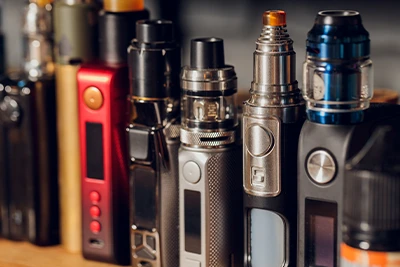
Standardized safety testing
Laboratories analyze emissions to ensure consumer safety. Strict protocols now govern the manufacturing standards for hardware and liquid ingredients.
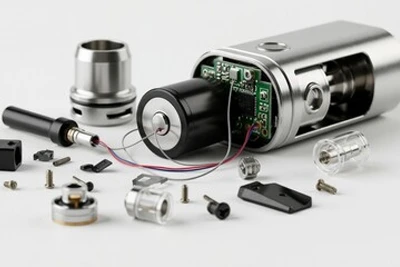
Technological safety features
Modern chipsets include temperature protection and short-circuit prevention. Innovation focuses on making devices safer and more reliable for users.

Public health research
Ongoing longitudinal studies monitor long-term effects. Data collection remains crucial for establishing evidence-based guidelines for smoking cessation policies.